
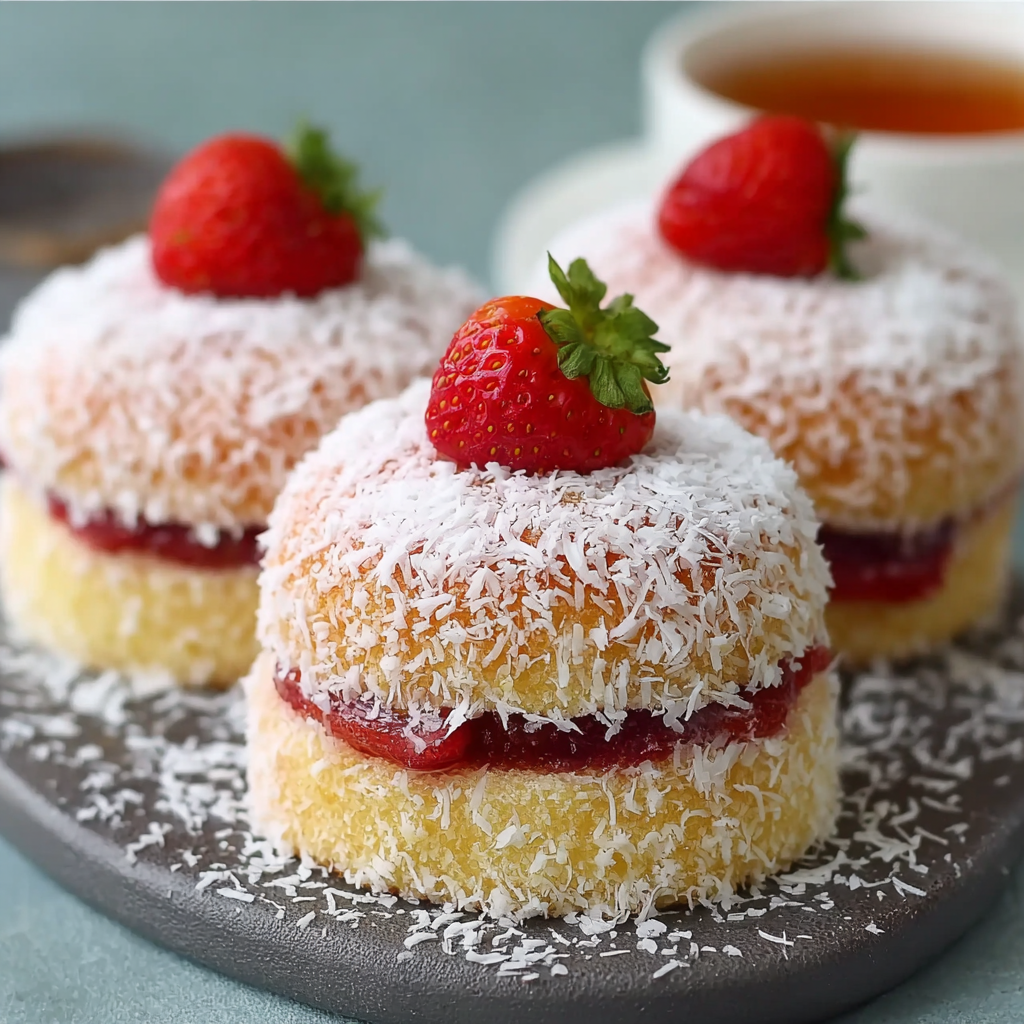
Strawberry Coconut Sponge Cakes: The Ultimate 2026 Guide to Light, Fluffy, Tropical Perfection
Strawberry Coconut Sponge Cakes are the definition of an elegant yet approachable dessert. Light, airy sponge layers infused with subtle coconut flavor and paired with fresh strawberries create a cake that feels indulgent without being heavy. This combination has become increasingly popular in home baking, food blogs, and celebration cakes because it delivers maximum flavor with minimal heaviness.
Unlike dense butter cakes, a strawberry coconut sponge cake relies on aeration, balance, and gentle handling. The sponge structure allows strawberries to shine, while coconut adds depth, creaminess, and a hint of tropical warmth. Whether you’re baking for a birthday, summer gathering, afternoon tea, or content creation for social media, this cake fits beautifully.
What makes this dessert especially appealing is its flexibility. It can be:
- A classic layered sponge cake
- A vegan or dairy-free dessert
- A gluten-free bake
- A simple traybake or sheet cake
- Or a show-stopping celebration cake
This guide will walk you through everything you need to know—from ingredient science to step-by-step techniques, variations, troubleshooting, and storage—so you can confidently master strawberry coconut sponge cakes at any skill level.
Why Strawberry and Coconut Are a Perfect Pair
The flavor pairing of strawberries and coconut works because it creates balance on multiple levels.
Strawberries bring:
- Bright acidity
- Natural sweetness
- Fresh aroma
- Juiciness that contrasts with dry crumb
Coconut contributes:
- Creamy mouthfeel
- Subtle sweetness
- Aromatic richness
- Fat that rounds out sharp flavors
Together, they create a cake that feels refreshing rather than cloying.
One reason strawberry coconut sponge cakes perform so well in warm weather is their lightness. Unlike buttercream-heavy desserts, coconut-based frostings can be whipped airy and soft. When handled correctly, coconut cream becomes an excellent dairy-free alternative. Serious Eats explains the science behind this process in their guide on how to whip coconut cream for frosting, which helps bakers understand fat separation, temperature control, and stabilization techniques:
👉 https://www.seriouseats.com/how-to-make-coconut-whipped-cream
Strawberries also benefit from gentle preparation. Light maceration—tossing them with a small amount of sugar—intensifies flavor without turning them watery. This step is essential when working with sponge cakes, which absorb moisture easily.
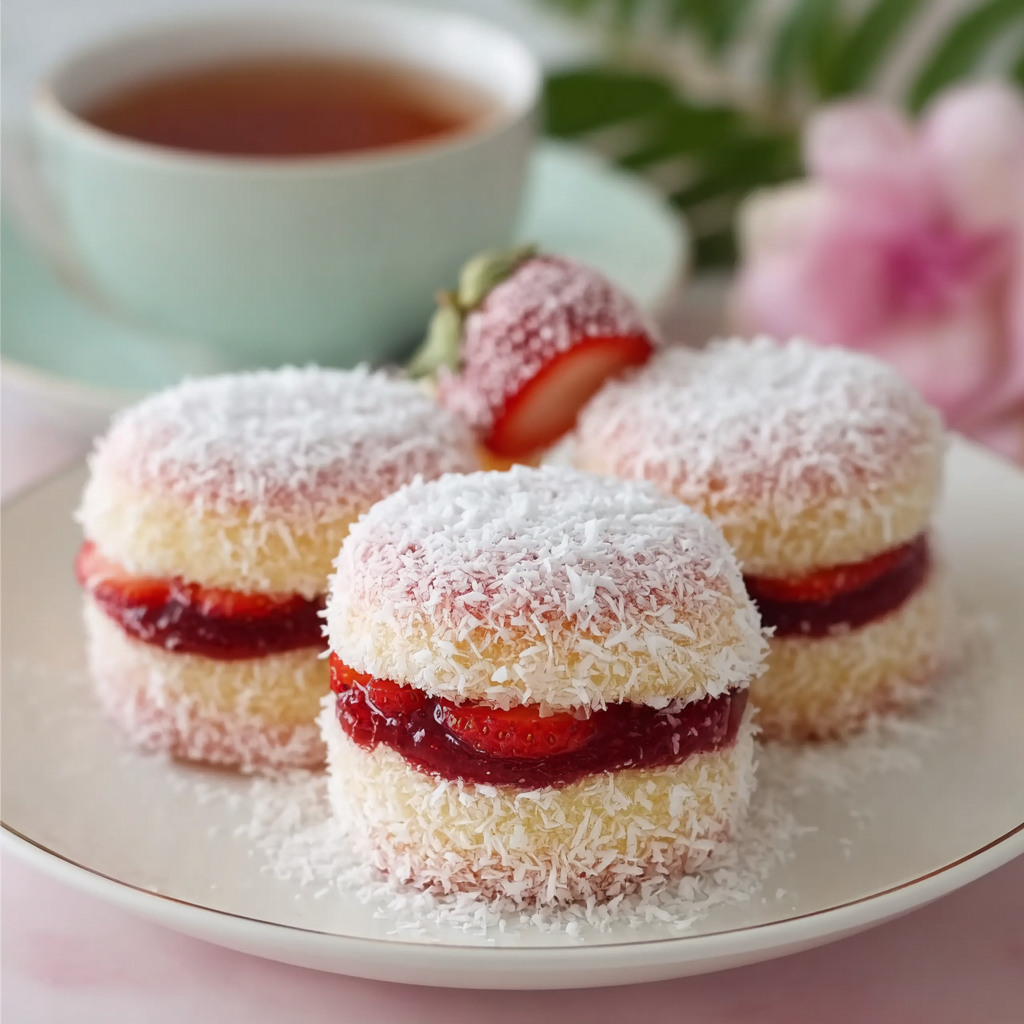
What Defines a Sponge Cake?
A sponge cake is fundamentally different from a butter cake.
Instead of relying on large amounts of fat for structure, sponge cakes depend on:
- Whipped eggs
- Trapped air
- Gentle folding
- Proper baking temperature
Key characteristics of a strawberry coconut sponge cake include:
- Light, airy crumb
- Minimal greasiness
- Excellent layering potential
- Ability to absorb syrups and fruit juices without collapsing
There are several sponge methods, and understanding them helps you choose the right one for coconut-based cakes. King Arthur Baking offers an excellent explanation of sponge techniques, including the differences between genoise and creaming methods, which is especially helpful when adapting recipes:
👉 https://www.kingarthurbaking.com/blog/2016/06/09/how-to-make-sponge-cake
Because coconut adds fat and fiber, sponge cakes with coconut must be balanced carefully to avoid density. That’s why technique matters just as much as ingredients.
Ingredients Breakdown: What to Use and Why It Matters
Flour Options
- Cake flour
- Produces the softest crumb
- Ideal for layered sponge cakes
- All-purpose flour
- More structure
- Easier to work with for beginners
- Gluten-free flour blends
- Use blends designed for cakes
- Avoid pure coconut flour unless recipe is adjusted
Eggs
- Provide:
- Structure
- Lift
- Moisture
- Can be:
- Whole eggs (simpler)
- Separated eggs (lighter crumb)
Sugar
- Granulated or caster sugar
- Supports:
- Structure
- Moisture retention
- Browning
- Coconut sugar can be used, but darkens crumb
Coconut Components
- Desiccated coconut
- Best for batter
- Low moisture
- Coconut milk
- Adds moisture without heaviness
- Coconut cream
- Ideal for frosting
- Coconut extract
- Enhances aroma without changing texture
Strawberries
- Fresh strawberries preferred
- Frozen can be used for compote or puree
- Must be drained to avoid soggy layers
From a nutritional perspective, strawberries are naturally low in calories and rich in vitamin C and antioxidants. The USDA provides detailed information on strawberry nutrition and seasonal quality, which is useful when writing health-focused content or adapting recipes:
👉 https://fdc.nal.usda.gov/food/169910
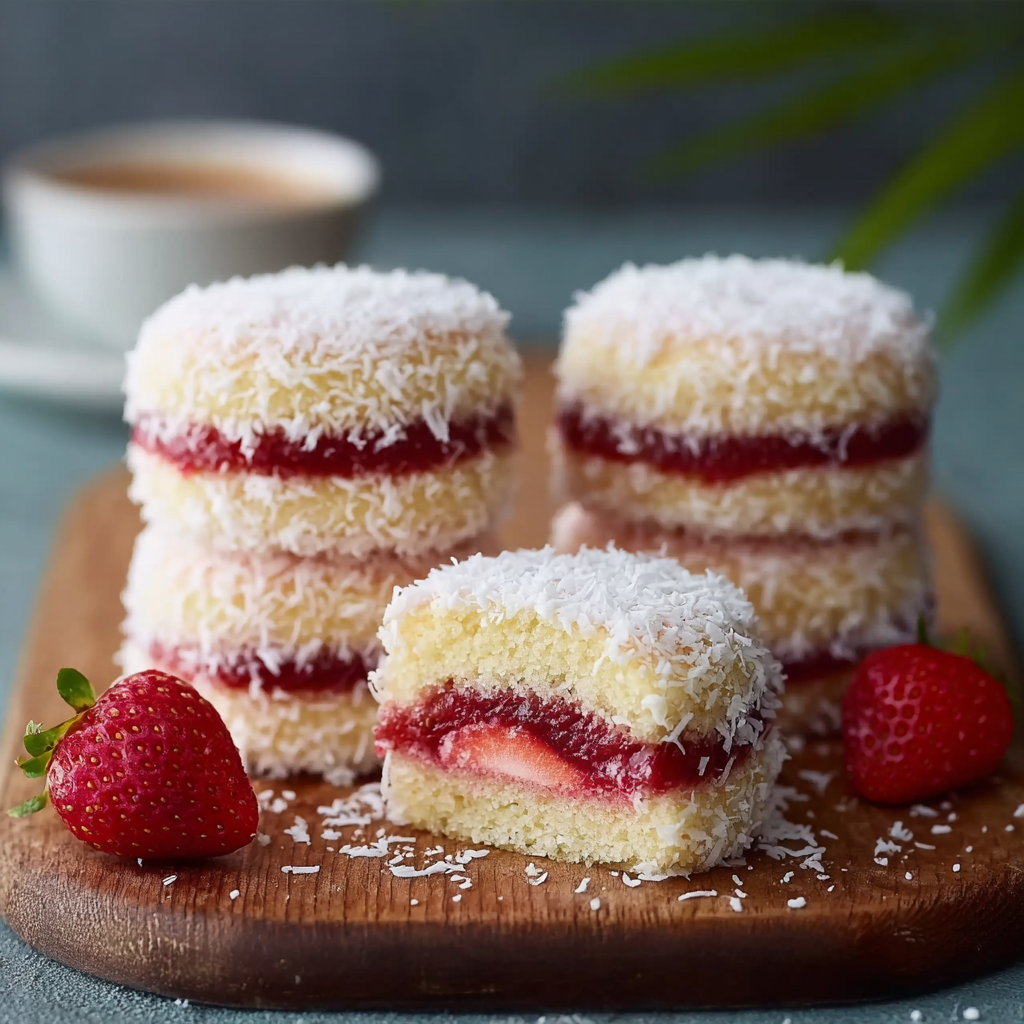
Choosing the Right Coconut Product
Not all coconut products behave the same in baking. Choosing the right one is critical for success.
- Desiccated coconut
- Finely shredded
- Low moisture
- Ideal for sponge batter
- Shredded coconut
- Adds chew
- Best for decoration
- Coconut flakes
- Large pieces
- Best toasted for topping
- Coconut milk
- Balanced moisture
- Good for sponge batter
- Coconut cream
- High fat
- Perfect for frostings and fillings
Tip: Always chill coconut cream overnight before whipping. Only use the solid portion.
Master Recipe: Strawberry Coconut Sponge Cake
Yield & Overview
- Servings: 8–10
- Difficulty: Intermediate
- Texture: Light, fluffy, moist
- Flavor profile: Fresh, tropical, balanced
Ingredients (Sponge)
- Eggs
- Sugar
- Cake flour
- Baking powder (optional)
- Desiccated coconut
- Coconut milk
- Vanilla or coconut extract
- Pinch of salt
Ingredients (Filling & Frosting)
- Fresh strawberries
- Sugar (for maceration)
- Full-fat coconut cream
- Powdered sugar (optional)
Step-by-Step Method
1. Prepare the Pan
- Line cake pans with parchment
- Lightly grease sides
- Preheat oven to 170–175°C (340–350°F)
2. Whip the Eggs
- Combine eggs and sugar
- Whip until:
- Pale
- Thick
- Tripled in volume
- This step determines final texture
3. Fold Dry Ingredients
- Sift flour and baking powder
- Fold gently using a spatula
- Avoid deflating batter
4. Add Coconut
- Fold in desiccated coconut
- Add coconut milk slowly
5. Bake
- Divide batter evenly
- Bake 22–28 minutes
- Cake should spring back when touched
6. Cool Completely
- Cool in pan 10 minutes
- Turn out onto rack
- Cool fully before frosting
Preparing the Strawberries
- Wash and hull strawberries
- Slice evenly
- Toss lightly with sugar
- Rest 10–15 minutes
- Drain excess juice
This prevents soggy layers while intensifying flavor.
Coconut Whipped Cream Frosting
How to Make It
- Chill coconut cream overnight
- Scoop solids only
- Whip until fluffy
- Sweeten lightly if desired
Stabilization Tips
- Add:
- Powdered sugar
- Agar (vegan)
- Keep chilled until use
Assembling the Cake
- Level sponge layers
- Spread coconut cream
- Add strawberries evenly
- Stack layers gently
- Crumb coat if needed
- Chill before final frosting
Popular Variations
Vegan Strawberry Coconut Sponge Cake
- Aquafaba or flax eggs
- Coconut oil instead of butter
- Coconut whipped cream frosting
Gluten-Free Version
- Use gluten-free cake flour blend
- Increase moisture slightly
Traybake / Sheet Cake
- Bake in one pan
- Spread strawberry jam
- Sprinkle coconut
- Finish with glaze or cream
Common Problems & Solutions
Dry Cake
- Cause:
- Overbaking
- Fix:
- Brush with syrup
- Add more filling
Dense Texture
- Cause:
- Overmixing
- Fix:
- Whip eggs longer
- Fold gently
Soggy Layers
- Cause:
- Excess strawberry juice
- Fix:
- Drain fruit
- Assemble closer to serving
Storage & Make-Ahead Tips
- Sponge layers:
- Freeze up to 2 months
- Assembled cake:
- Refrigerate 24–48 hours
- Best served:
- Slightly chilled
- Fresh fruit added last
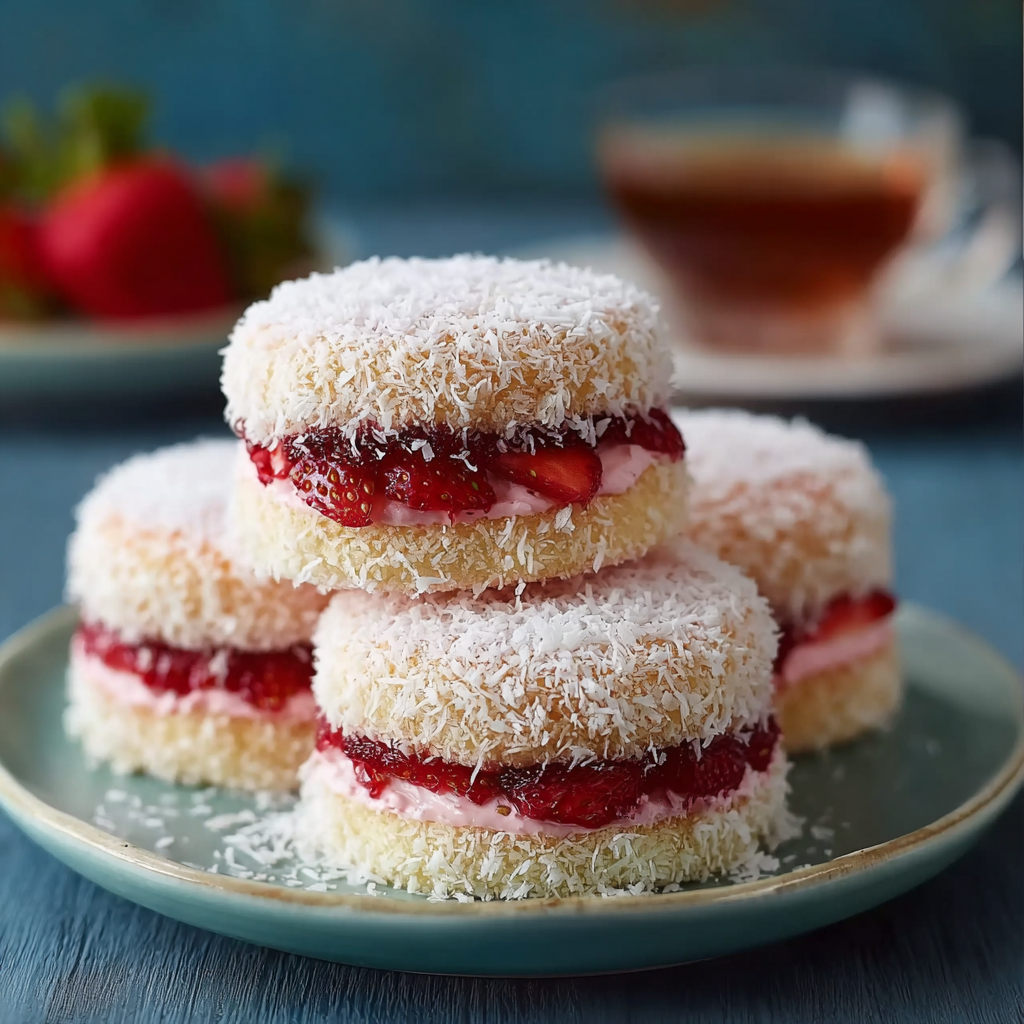
FAQs About Strawberry Coconut Sponge Cakes
Can I use coconut flour?
- Not alone
- Extremely absorbent
- Must be blended carefully
Can I freeze the cake?
- Yes, sponge layers freeze well
- Strawberries soften after thawing
Is coconut considered a nut?
- Botanically a fruit
- Labeled as a tree nut in some regions
Final Thoughts
Strawberry Coconut Sponge Cakes combine elegance, freshness, and comfort in one dessert. When made with the right technique and quality ingredients, they deliver a cake that feels light, flavorful, and memorable.